
Despite knowing how unique of a market Japan can be, many foreign brands enter the region with a familiar digital playbook: Google Search, Meta Ads, and maybe YouTube. This would work in other territories, but Japan doesn’t behave as a typical Google/Meta-first ecosystem.
In This Article
In taking a solely universal approach employing Western platforms in Japan, you’re creating visibility gaps that can harm you long-term. Japanese web users spend a significant amount of time on local channels that don’t exist or are irrelevant elsewhere.
Ignoring these local Japanese channels impacts discovery, the research phase and, most importantly, trust. You run the risk of not only limiting your reach, but also your brand’s credibility. In this article, we’ll cover three key platforms in Japan’s parallel digital ecosystem.
These channels influence consumer buying decisions every day, so be sure to pay close attention.
Yahoo! Japan is STILL Kicking
Over the years, Yahoo! Japan has steadily lost its shine to Google Search. That said, it’s still a highly influential platform, particularly among users aged 35 and older. Keep in mind that Japan ranks highest among the world’s aging populations. So Yahoo! Japan’s enduring relevancy should come as no surprise.
Yahoo! is largely forgotten in Western markets, but due to its structure as an all-in-one portal, it continues to see healthy traffic in Japan. Many users still visit Yahoo! Japan for its various functions:
- As a search engine (utilizing Google search technology to remain competitive)
- As a primary news source (finance, weather)
- As a Shopping and e-commerce hub
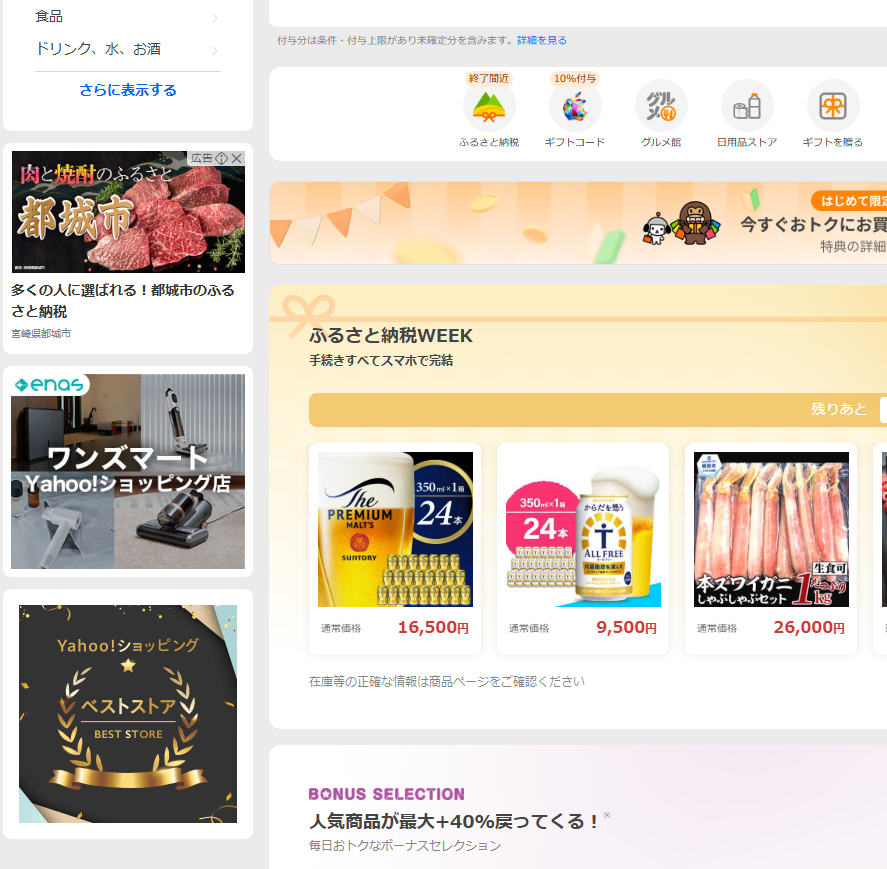
All these features exist within the same ecosystem, leading to repeat visits and, if you’re advertising here as you should, frequent brand exposure.
Since the majority of Yahoo! Japan users are 30+ professionals (primarily decision-makers), their search queries tend to be more descriptive and research-oriented. Brands investing in search and display ad placements tend to reach key targets under-represented on Google.
Read more here to go deeper into why Yahoo! Japan is still a viable marketing platform.
LINE: Full-Funnel on Social
To the untrained, non-native eye, LINE looks like a simple messaging app. But it’s so, so much more—More, as in one of Japan’s most powerful full-funnel marketing platforms.
Unlocking its potential means making a bigger splash with your target Japanese audience. Here’s a really broad overview of how LINE advertising can meet users at the point of awareness, leading them all the way to conversion and even retention without ever leaving the platform.
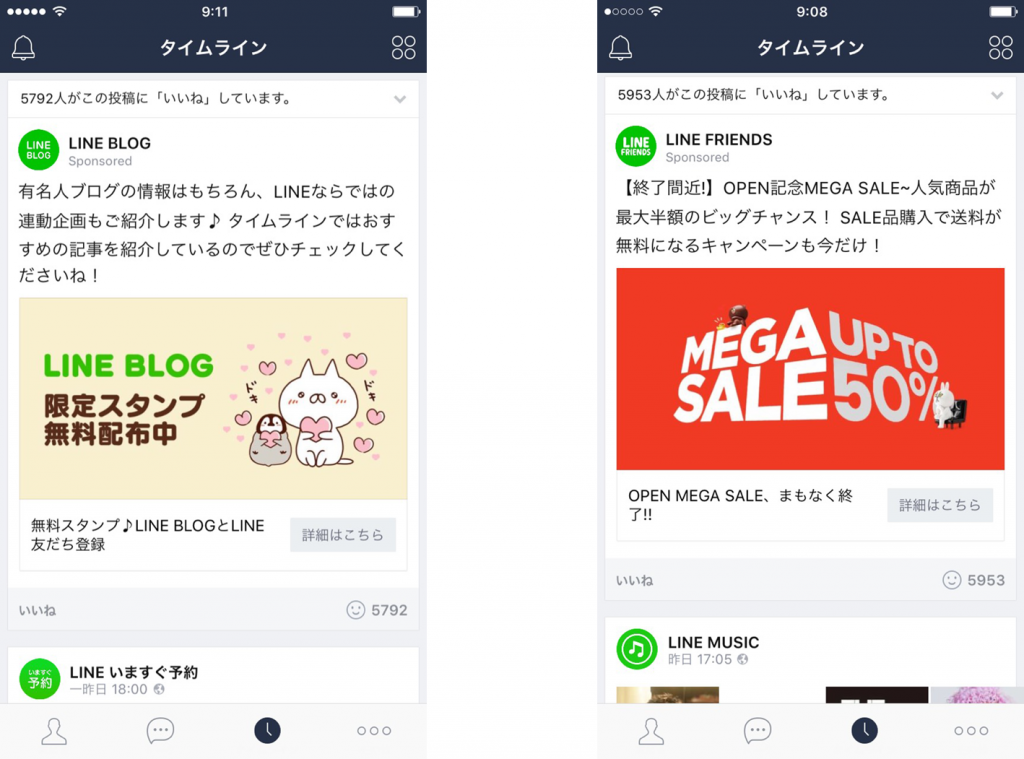
Top of funnel: LINE is a trusted and familiar environment. LINE Ads interfaces with users in a comfortable setting, and ads feel more native than traditional display advertising. This is key to increasing engagement and reducing resistance.
Middle of funnel: This is the heart and soul of LINE. At this point, you should be communicating directly with the followers you’ve gained from advertising. Share educational content, and answer questions in real time. Build strong relationships.
Bottom of funnel: Pump out conversions and repeat customers from your previous efforts through the use of coupons and loyalty programs.
In our previous entry, we discussed how the conversion cycle in Japan can be substantially longer than other markets. LINE excels in this environment because it caters to relationship-building. Turn your focus here instead of hunting the one-off click.
Rakuten: Japan’s “Second Homepage”
Rakuten is one of Japan’s two major online marketplaces, along with Amazon. However, Japanese customers also treat Rakuten as a sort of search engine. In many cases, it’s the first place they begin their search journey.
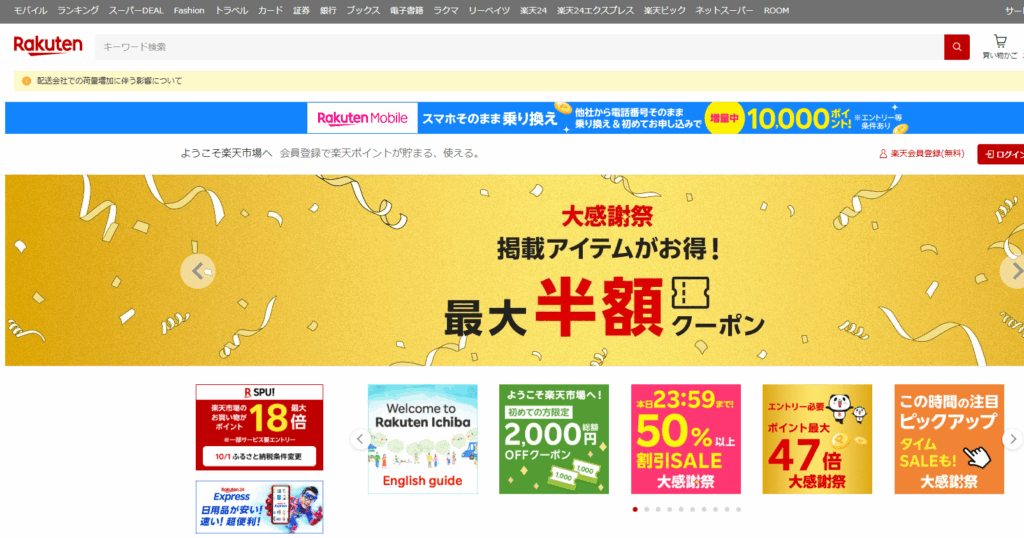
This doesn’t necessarily mean they’re ready to buy. For a research-conscious user base, online marketplaces offer a plethora of information in one place. Detailed product information and high review volumes make the decision cycle more efficient and convenient.
These behaviors create the “second homepage” effect. This is important to note for brands that rely more heavily on their official brand website. Even if it’s well designed, a weak or nonexisting marketplace presence could see you struggling to convert.
On the flip side, a stong marketplace presence can actually lift performance across multiple channels. Increase your visibility where it matters most, and you’ll increase your sales.
Local Platforms are the REAL Competitive Edge
We’re not saying you should abandon Western platforms completely. However, it’s often the forgotten local channels that determine whether users view you as credible or familiar.
Foreign brands that embrace LINE, Yahoo! Japan and domestic marketplaces like Rakuten go beyond gaining reach to achieve true relevance in the Japanese market. Visibility is nothing without validation, and these platforms give you that edge.
We at ICJ have helped countless international brands identify and capitalize on this often-neglected ecosystem and achieve results beyond their initial expectations. By unlocking new doors, clients discovered new audiences and greater opportunities for success.
Let us do the same for you.
