
If you’re advertising on platforms like Google or Meta, you’ve probably enjoyed using free-flowing UTMs and multi-touch reporting. In Japan, however, major platforms like LINE and Rakuten operate inside closed ecosystems. Thus, the challenge is clear: traffic is easy, but conversion attribution is frustratingly difficult.
In This Article
For these three platforms in particular, attribution relies on platform-native tracking and other server-side integrations to stitch insights together. Today, we’ll break down how to track conversions on each platform, along with the best workflows to create a coherent attribution model.
Tracking Conversions on LINE Japan
LINE is perhaps the most essential social platform in Japan, and a powerful driver for conversions. However, actual tracking depends largely on LINE Tag, the LINE Conversion API and LINE Official Account analytics. We’ll run you through each one.
LINE Tag
LINE Tag is best for tracking website conversions, add-to-cart events and completed purchases. To get it set up, you simply place a LINE Tag JavaScript snippet on your website and define your conversion events in the LINE Ads manager. There are some limitations to this, however.
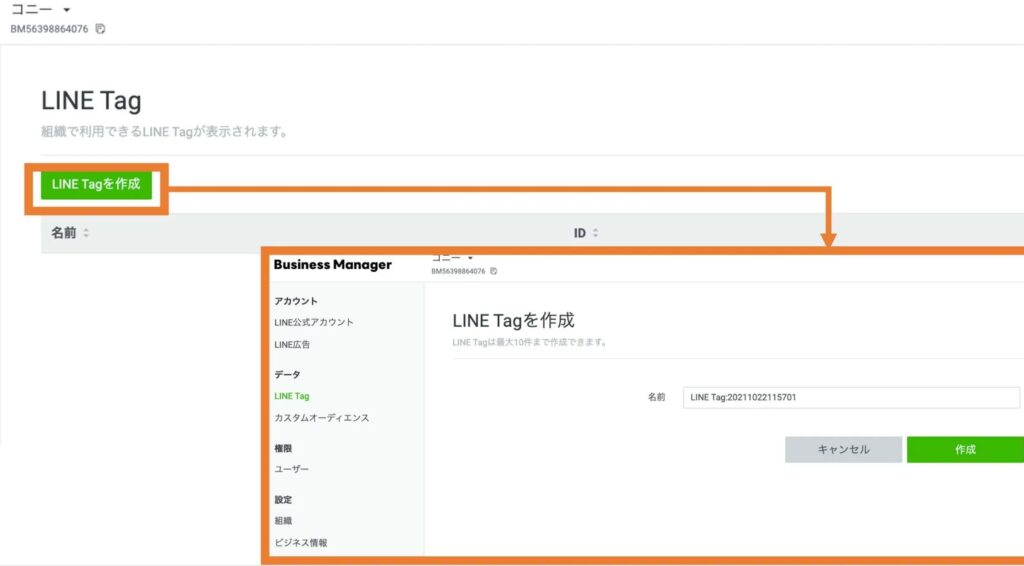
For example, people using the LINE in-app browser can block certain third-party scripts. Also, Apple’s iOS versions 14 and newer have tracking restrictions that can reduce event match rates.
For maximum benefit, we recommend that you enable auto-tagging in LINE Ads, and use first-party cookies whenever possible. Most importantly, you should regularly use LINE Tag Helper to ensure that your events are firing correctly.
LINE Conversion API
While LINE Tag may be frequently hindered by browser limitations that can cause reduced event match rates, using the LINE Conversion API can help you clear these hurdles more easily. This is especially important to Ecommerce and lead-gen campaigns since iOS heavily dominates the Japanese mobile landscape.
What you’ll need is backend access capable of firing events to LINE’s endpoint, and a conversion schema with hashed personal identifiers.
LINE Official Account (OA) Analytics
The LINE OA analytics dashboard is where you see the efforts from employing LINE Tag and Conversion API tools. Here, you can see click metrics for cards and carousels, and track new friend acquisitions. We should reiterate that off-platform conversions will not register without the LINE Tag or Conversion API.
Conversion Attribution for Rakuten
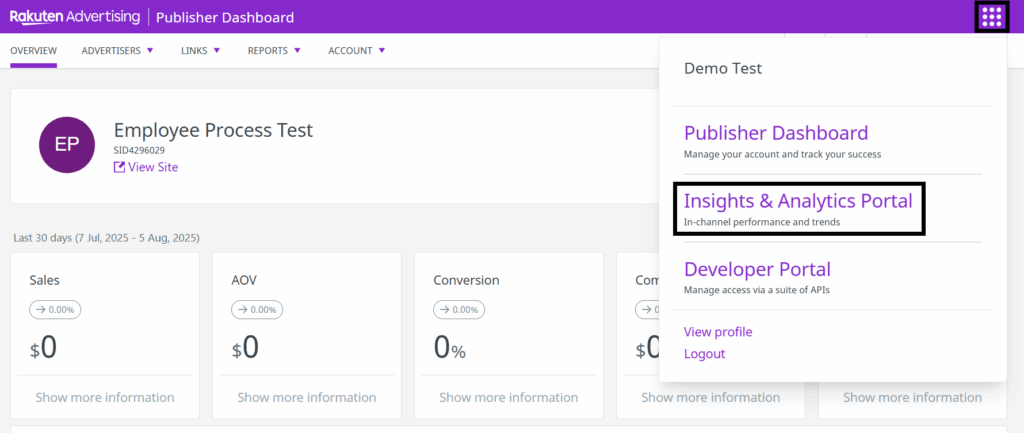
Japanese web users greatly value their privacy. As a result, it shouldn’t be a surprise that Japan’s native answer to Amazon in Rakuten, gives its merchants freedoms that leave a lot to be desired. Attribution options are largely limited by tools inside the Rakuten Merchant Server and Rakuten Promotion Platform.
Let’s review what you can and can’t track on Rakuten.
| Trackable | Not Trackable |
| Sales (SKU, order value) | Google Analytics (GA4) on your Rakuten store |
| Clicks and impressions inside Rakuten | External pixels (Meta, LINE, Google) |
| Coupon redemption | UTMs on internal product links |
Rakuten Conversion Attribution Workarounds You Should Know
Rakuten’s platform restrictions are a headache even for domestic brands. Double attribution is common when marketing on Rakuten because the platform uses a last-click, internal-only conversion attribution model. This means that if a user touches any Rakuten-owned surface after arriving from an external ad (LINE, Google, etc.), Rakuten nearly always credits the last internal action. Meanwhile, the external ad platform may also try to claim the conversion.
A widely used workaround method for better Rakuten attribution in Japan is through creating “external-campaign-specific coupons” inside the Rakuten Merchant Server. Using this method, you can attribute:
- Coupon redemption count
- Purchase value
- New vs returning shoppers
When utilizing this method to bypass platform restrictions, you can better view the validity of your efforts outside the Rakuten ecosystem.
Understand the Roadblocks, Then Push Through
Conversion Attribution on Rakuten and LINE in Japan requires that you accept the constraints. However, as you begin to better understand each platform’s rules, you can build a solid framework for measurement that’s surprisingly accurate.
Additionally, it’s always a plus to have a partner who knows the landscape and can help you strategize for better success, sooner. At ICJ, we’ve helped countless overseas brands navigate strategy, execution and analysis to deliver results that drive a stronger market presence.
If you need assistance marketing on LINE, Rakuten or any other native Japanese platform, let us show you what we’re made of.
